Global demand for coffee is at an all-time high. But delivering the perfect brew takes more than roasting quality beans. It demands engineering precision, freshness preservation, and high-speed execution on the factory floor.
At the heart of this operational success is the coffee powder packaging machine. Whether you pack single-serve sticks for a morning commute or large bags for a busy cafe, the right machine is key. It helps you scale from a local roastery to an industrial powerhouse.
The Evolution of the Coffee Powder Packing Machine
Coffee is a highly sensitive commodity. Once roasted and ground, it quickly reacts with oxygen and moisture. This rapid reaction breaks down its aroma compounds and flavor. A modern coffee powder packing machine solves this issue using advanced gas flushing (MAP) and airtight sealing.
These machines are not one-size-fits-all. Depending on your target market, the technology adapts:
Retail Bags: Larger volumes require robust systems that form, fill, and seal traditional gusseted or stand-up bags.
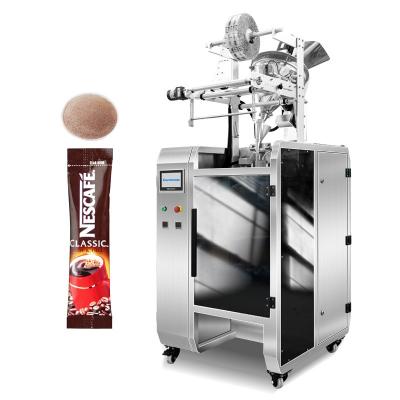
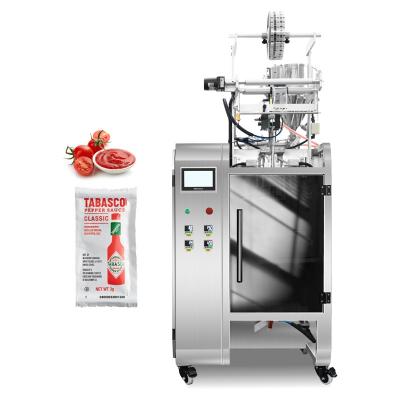
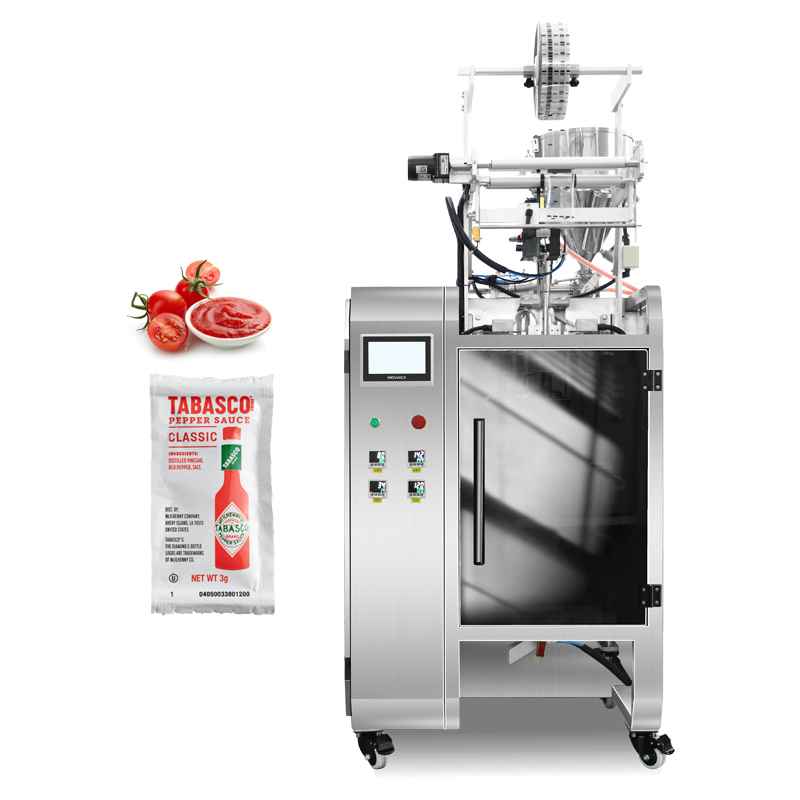
Single-Serve Portions: The rise of convenience has skyrocketed the demand for the coffee sachet packing machine. These specialized units efficiently portion out exact doses for individual mugs, maintaining peak freshness per serving.
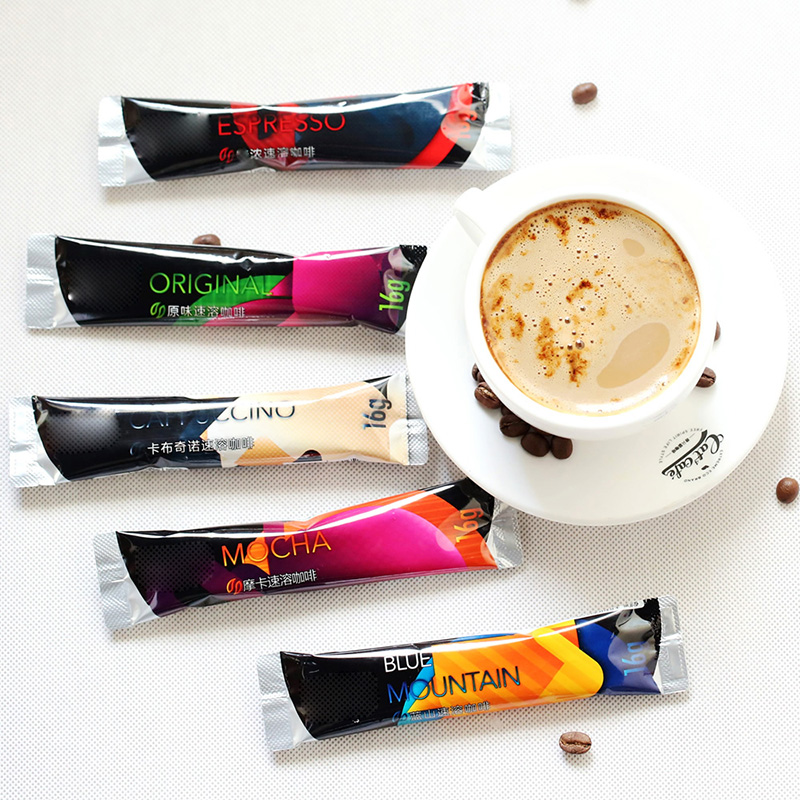
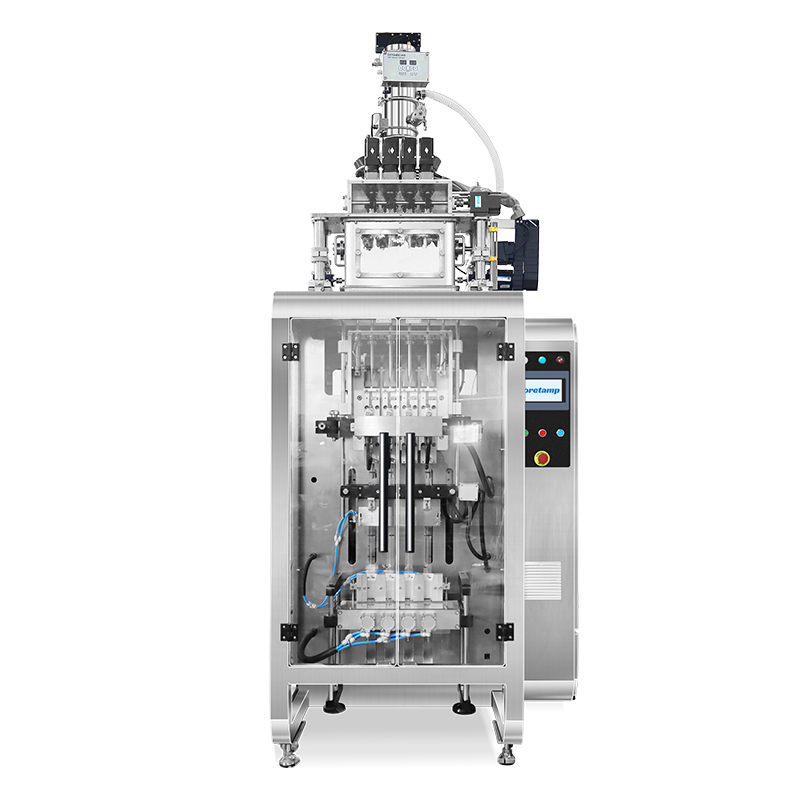
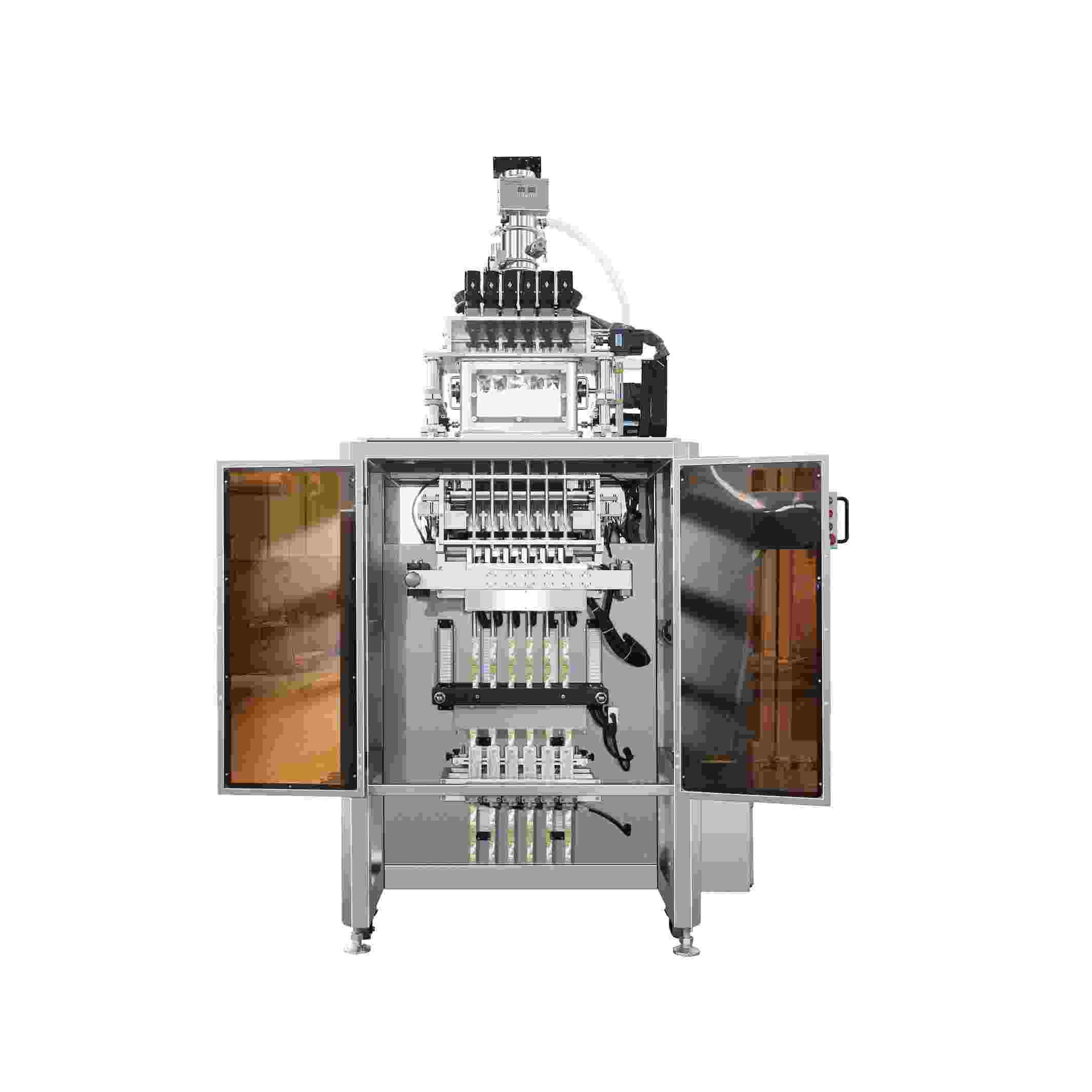
On-the-Go Sticks: For multi-ingredient blends, manufacturers rely on 2-in-1 instant coffee mix stick pack packaging machines. Engineers uniquely design these systems to handle exact coffee-to-creamer or sugar ratios during filling. They prevent ingredient separation or layering.
Solving Shop-Floor Challenges: Precision via the Auger Filler and VFFS
To understand how a powder packaging machine maintains high accuracy, we have to look at actual factory floor dynamics. Coffee powder presents unique material handling challenges: it is highly hygroscopic, prone to static buildup, and easily aerated.
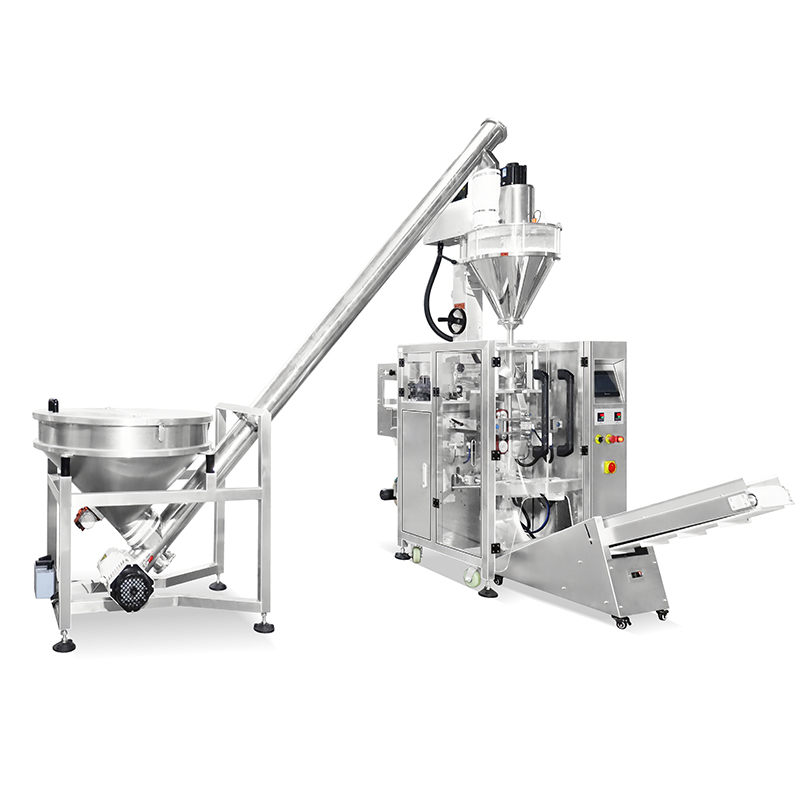
To solve this, modern production lines rely heavily on an advanced auger filler system. Instead of relying on simple timers, a sophisticated auger filler utilizes anti-pulsation feeding mechanisms and servo-controlled slow-down compensation in the final 10% to 15% dosing stage. This ensures precise weight metrics despite density fluctuations.
Furthermore, most automated lines integrate this filling mechanism with a vertical form fill and seal machine (VFFS). A vertical form fill and seal machine uses a flat roll of packaging film. It shapes the film into a tube.
It seals the bottom. It drops a precise dose of coffee through the center. It then applies a top seal. To prevent fine coffee dust from fouling the sealing jaws and causing tiny leaks, these machines use dust extraction hoods. They also use static elimination bars at the filling nozzle.
From Coffee to Dairy: Versatility in Powder Packaging
One of the greatest advantages of investing in premium automated hardware is cross-product adaptability. A high-quality powder packaging machine isn't restricted solely to coffee grinds. With minor mechanical adjustments to the flow controls, tooling, and sealing temperatures, the exact same infrastructure can be cross-utilized as a milk powder packing machine.
However, transitioning a line from coffee to a milk powder packing machine requires addressing specific engineering hurdles. Dairy powders exhibit high fat content and poor flowability, making them prone to bridging inside the hopper. To maintain consistent throughput without cross-contamination, these machines employ specialized horizontal agitation blades and toolless, quick-disassembly components compliant with strict hygienic standards. For roasters looking to expand into instant lattes, cappuccinos, or protein-blended coffee lines, this dual-purpose capability offers immense capital efficiency.
Sustainability in Modern Production
Efficiency is no longer the only metric of success in the packaging industry; eco-consciousness has taken center stage. Consumers are demanding that their morning routine doesn't come at the cost of the planet. As a result, forward-thinking manufacturers are heavily investing in an eco-friendly coffee powder packaging design.
This shift means moving away from traditional, non-recyclable multi-layer laminates like PET/AL/PE. It also means using biodegradable, compostable, or mono-material recyclable films like MDO-PE.
Adopting an eco-friendly coffee powder packaging design needs machines with precise digital temperature controls and special sealing jaws. Because eco-films have a much narrower sealing temperature range, even a small 5°C change can cause weak seals. It can also burn through the film.
Navigating the Market: Costs and Considerations
When upgrading your production line, budgeting is naturally a top priority. Exploring the market will reveal that the coffee powder packing machine price varies drastically based on automation level, speed, and output style.
Machine Type
|
Typical Speed
|
Key Feature
|
Semi-Automatic Auger Filler
|
10–20 bpm
|
Foot-pedal operated, manual bag placement
|
Fully Automatic VFFS Line
|
40–80 bpm
|
Integrated gas flushing, automatic film tracking
|
Multi-Lane Stick Pack Machine
|
200–600 bpm
|
High-throughput, multi-lane synchronized filling
|
While an entry-level semi-automatic filler might suit a boutique local roaster, a fast-growing commercial brand will need a fully integrated, multi-lane VFFS system. When evaluating the coffee powder packing machine price, look beyond the initial capital expenditure. Factor in the long-term return on investment (ROI) brought on by reduced product giveaway (thanks to the accuracy of the auger), minimized labor costs, and reduced material waste.
Industry FAQ
What is the difference between an auger filler and a volumetric cup filler for coffee?
An auger filler uses a servo screw to dose by weight, making it highly accurate for fine powders like coffee. A volumetric cup filler measures by volume and is cheaper but less precise, especially when coffee density changes.
Can one machine handle both coffee and milk powder?
Yes. With adjustable servo settings and interchangeable auger parts. However, milk powder requires different hopper agitation and anti-sticking design due to higher fat content and poorer flowability.
What is the typical ROI of an automated coffee powder packaging machine?
Most systems achieve ROI within 10–18 months. Savings come from reduced labor, lower product giveaway (±0.5% accuracy with servo augers), and higher production speed.
Ready to Scale Your Production?
Don't let inefficient packaging bottlenecks hold your brand back from reaching its full market potential. Whether you need a fast stick pack system or an eco-friendly VFFS line upgrade, our engineers can help.
[Contact Our Packaging Experts Today] for a free consultation and a custom quote based on your production goals.

 No. 12 South Chuangye Road, Zhaoda Pioneer Park, Shishan Town, Nanhai District, Foshan City, GD, China


 English



 Vertical Form Fill Seal Machine
 Powder Packaging Machine
 Liquid Packaging Machine
 Flow Wrap Machine
 Premade Pouch Packaging Machine
 Stick Packing Machine
 Sachet Packaging Machine
 Packaging Line